
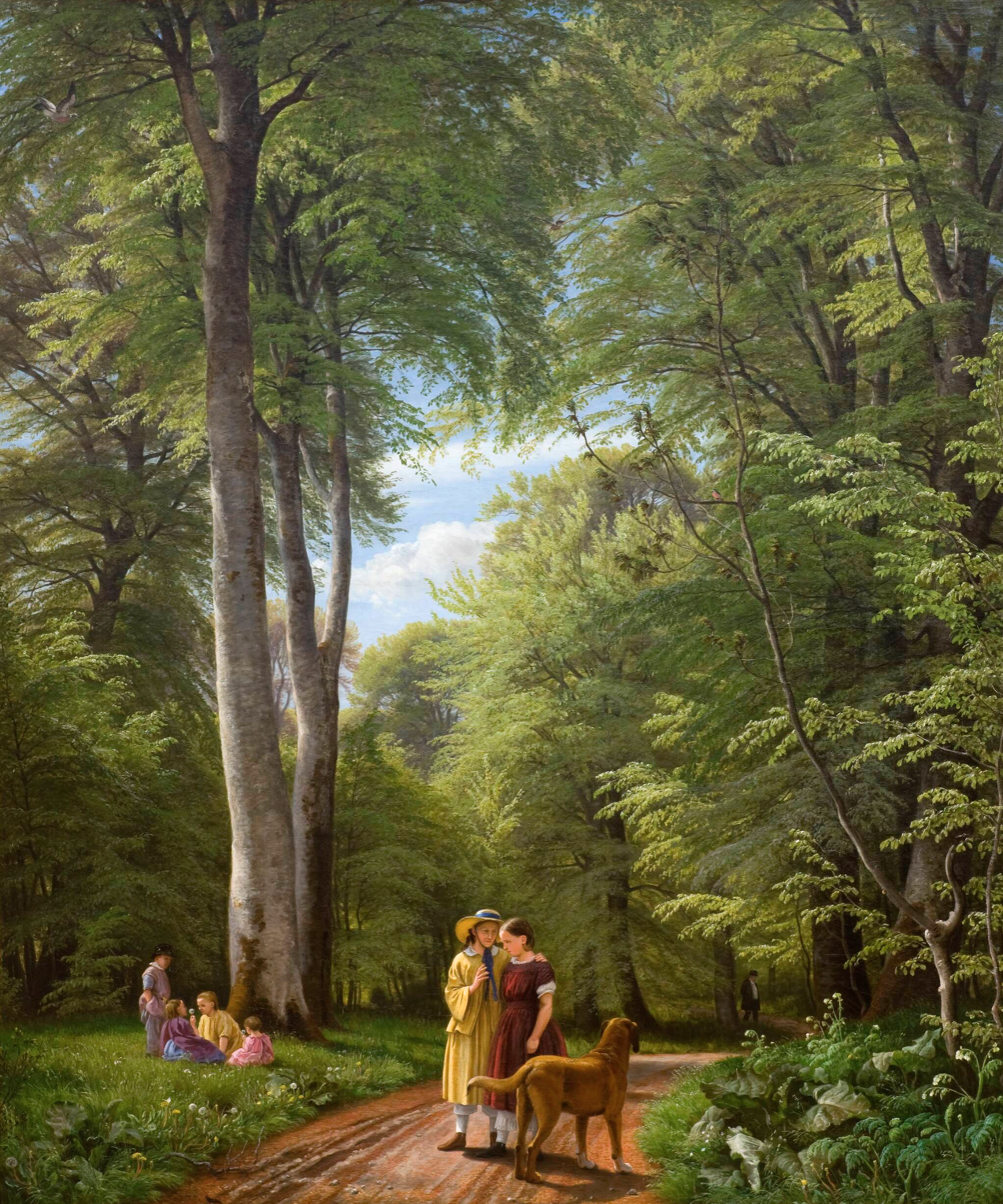
P.C. Skovgaard
A Beech Wood in May near Iselingen Manor, Zealand
Oil on canvas
1857
Statens Museum for Kunst, Copenhagen
S11E10.
Mads Tolling
I have chosen P.C. Skovgaard's A Beech Wood in May near Iselingen Manor, Zealand. I grew up in Hellerup and over there we have this beautiful park named Dyrehaven, which translates as "deer garden" and it's north of Copenhagen. We would go there every winter to go sledding down these hills. We don't really have mountains but more like hills. And although this is not Dyrehaven, this is Iselingen Manor, which is the southern part of Zealand, this looks exactly like something you would see, with the beech trees, and this road that twirls around in this way. It just really reminded me of going around a summer day in this park enjoying time with my family. It brought a nostalgic feeling to me. I just love looking at the light and the colors. And something about that it looks that way in 1857, but if you go to some of these areas now and they still look like that, they haven't changed that much. With the changing world, the way we go about everything, it's nice to have places that maybe don't change so much.
J.F. Willumsen
A Mountain Climber
Oil on canvas
1912
Statens Museum for Kunst, Copenhagen
© J.F. Willumsen / VISDA
The rights-restricted image is purposely blurred.
S11E9.
Lena Torslow Hansen
I chose J.F. Willumsen's painting The Mountain Climber. I have loved Willumsen's art ever since I went to Willumsens Museum in Frederikssund many years ago. That's a museum that's dedicated to his art. And then seeing the retrospective at ARKEN, the museum south of Copenhagen, in the last couple of years was really a life experience for me to see it all under one roof. I think he's one of the greatest artists from Denmark. His style is quite different than any other Danish painter, I would say. And I love this particular piece because it's a beautifully made painting, and I like the subject matter too. I have climbed to the top of Mount Whitney myself, and here's a woman, a mountain climber, from a time that was quite different than nowadays. I admire that image of a woman climbing a mountain. So this painting has always been attractive to me, I would say.
Jesper Rasmussen
Dumbo Brooklyn New York
Photograph
2005
Statens Museum for Kunst, Copenhagen
© Jesper Rasmussen / VISDA
The rights-restricted image is purposely blurred.
S11E8.
Jens Honoré
I have chosen a piece by Jesper Rasmussen, and the title of the photo is Dumbo, Brooklyn, New York. I'm always happy to see my field, photography, used as an art form. This photograph, it's very strong, it's very tangible, and it speaks to me because it's so lonely. In a city like New York, with all the famous buildings and landmarks, and then you find old buildings like this warehouse, that also tells a story about a different city, where not that long ago, blue collar industry was a very important part of the fabric of the city. And what I love about it, is it's all function and absolutely no form. So it's not beautiful. And to make it even more brutal, there are no windows doors in the building. The few windows you can see, not that there's many windows in the warehouse, it's been blinded. I was curious about that, so I took the liberty to call up Jesper. And he told me this piece is a part of a bigger series of photographs called Off Location. To all the photos, in post production, he removed windows and doors. And it enhances this feeling of something that is lonely and abandoned. When I started coming to America as a young photographer, these were the things I photographed. And I have many, many, many photos of factories, warehouses, parking lots and stuff like that. So that's one of the things I like about it.
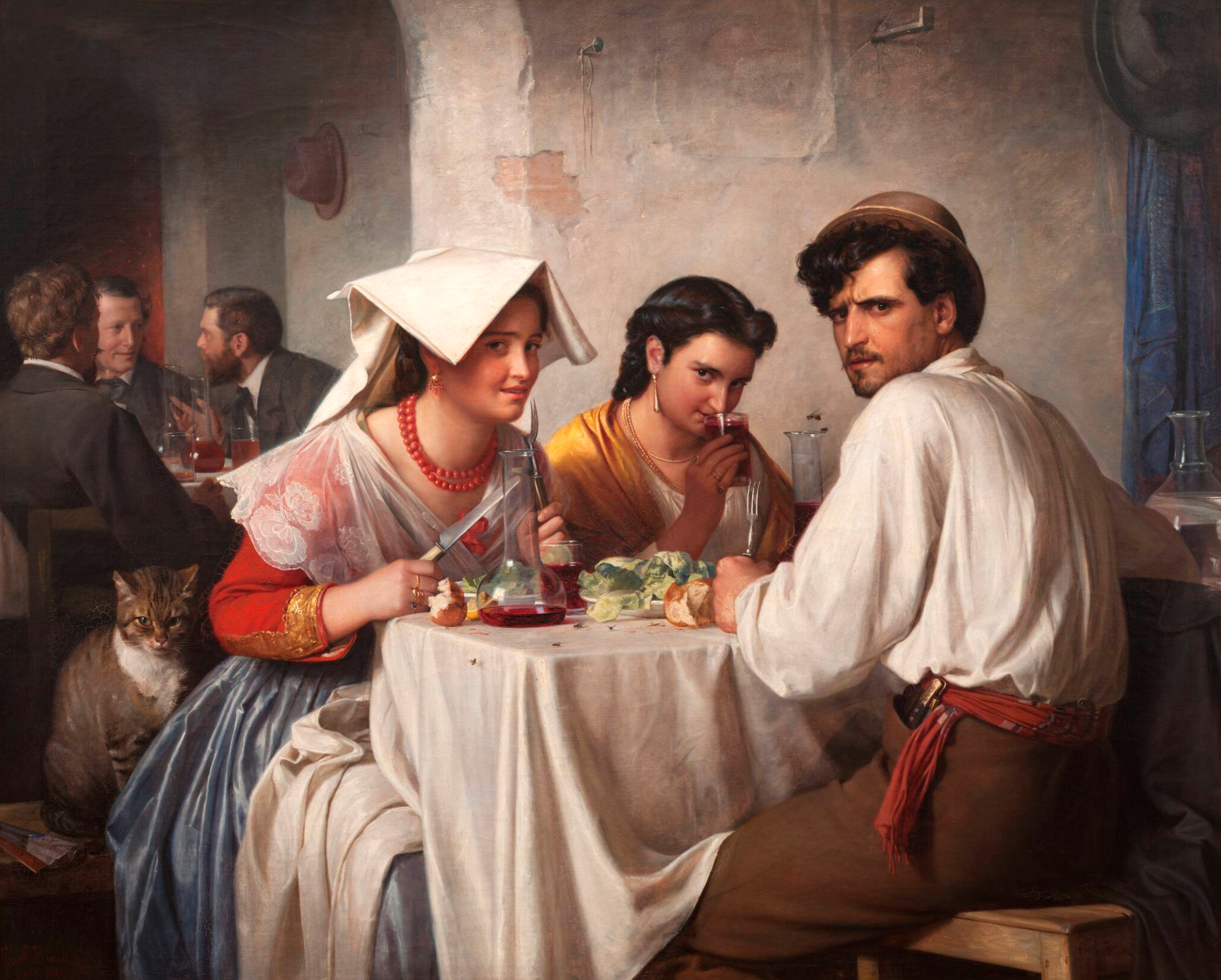
Carl Bloch
In a Roman Osteria
Oil on canvas
1866
Statens Museum for Kunst, Copenhagen
S11E7.
Ilya Katsnelson
I've chosen In a Roman Osteria by Carl Bloch. Two young ladies sitting at a table with a young man are looking at the viewer. And they're flirting, they're engaging. And the young man, he's got a knife in his belt, is incredibly stern and serious and very protective. In the background are three people: the painter Carl Bloch, the patron, Mr. Melchior, who commissioned the painting, and a third person, supposedly a friend. This painting was copied several times by the artist at the request of wealthy patrons, one of them being Alexander III of Russia, who was a very virulent antisemite. He had, in his version of the painting Mr. Melchior erased because Mr. Melchior was Jewish. I thought it quite ironic. Another thing about Bloch. His style is incredibly realistic and he was so popular that toward the end of the 19th century where you had the Impressionists and other newfangled art movements, it was, as an insult, to say if somebody was painting realistically, oh, he's like Carl Bloch. A hundred years later, Carl Bloch's paintings again became very popular. I really like that art has waves, artists get rediscovered. This painting is one of my favorites, and it always brings a smile to my face.
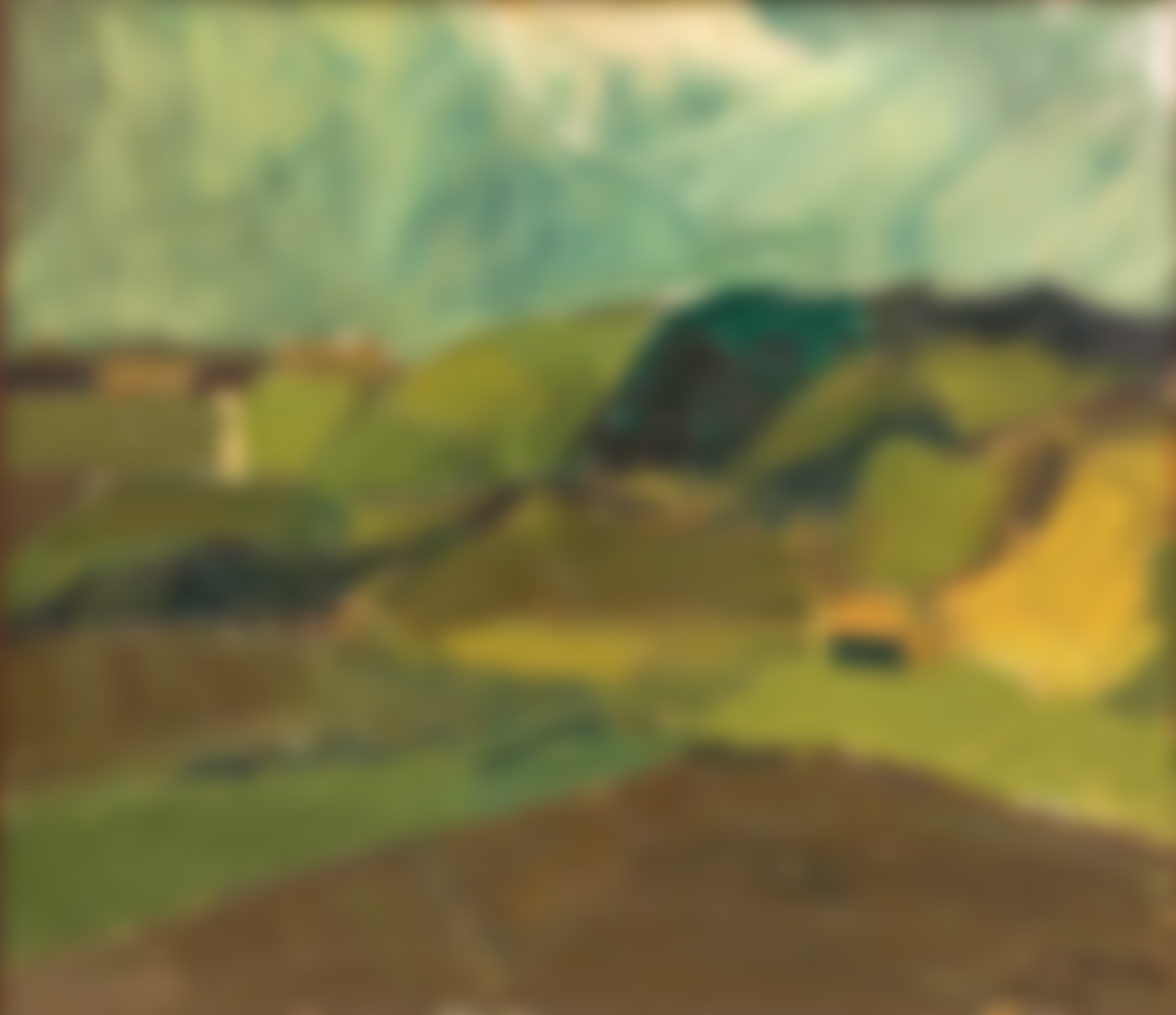
Lauritz Hartz
Rolling Landscape
Oil on canvas
1927
Statens Museum for Kunst, Copenhagen
© Lauritz Hartz / VISDA
The rights-restricted image is purposely blurred.
S11E6.
Maiken Baird
I chose Rolling Landscape by Lauritz Hartz. It reminds me of the place I grew up, which was in a farmhouse that my parents purchased when I was about four years old. It was up by Fårevejle and Ordrup. And it's up on a hill and it has that view of this landscape that we see in this picture. And then it also had the sea below with the water and the ocean and beaches there. I spent a lot of time as a child there and I still go back whenever I can for summer or Christmas or Easter. And it's just a beautiful part of the world. It's very serene and very picturesque. My grandfather, my mother's father, Carl Peter Hartz, was related to the painter Lauritz Hartz. I think he must have spent time actually up in this area in Nordsjælland, because where I grew up is exactly what this landscape looks like. So it's sort of in the family as well.

Jakob Kudsk Steensen
Primal Tourism
Video
2016
Statens Museum for Kunst, Copenhagen
© Jakob Kudsk Steensen / VISDA
The rights-restricted image is purposely blurred.
S11E5.
Frederikke Møller
I have chosen a multimedia work called Primal Tourism by Jakob Kudsk Steensen. It's a narrative video, a multi-player video game, and virtual reality. It's a virtual island, a replica of Bora Bora in French Polynesia. When you walk through this tech work, you are on an abandoned island, and you see the remains of tourist resorts. There's been climate change, the water is high, there's no one there. Here is actually an artist who utilizes tech tools to tell us something about our past, but also how we handle today's world, and more particularly, how we don't handle it. Where we usually see islands as ultimate paradises, here it feels threatening. And that's what Jakob does in his art. He looks at our relationship to the natural environment, our relationship to nature and animals and other sentient beings. And that's very powerful and it's something that I also care deeply about. That's why I chose this artwork.
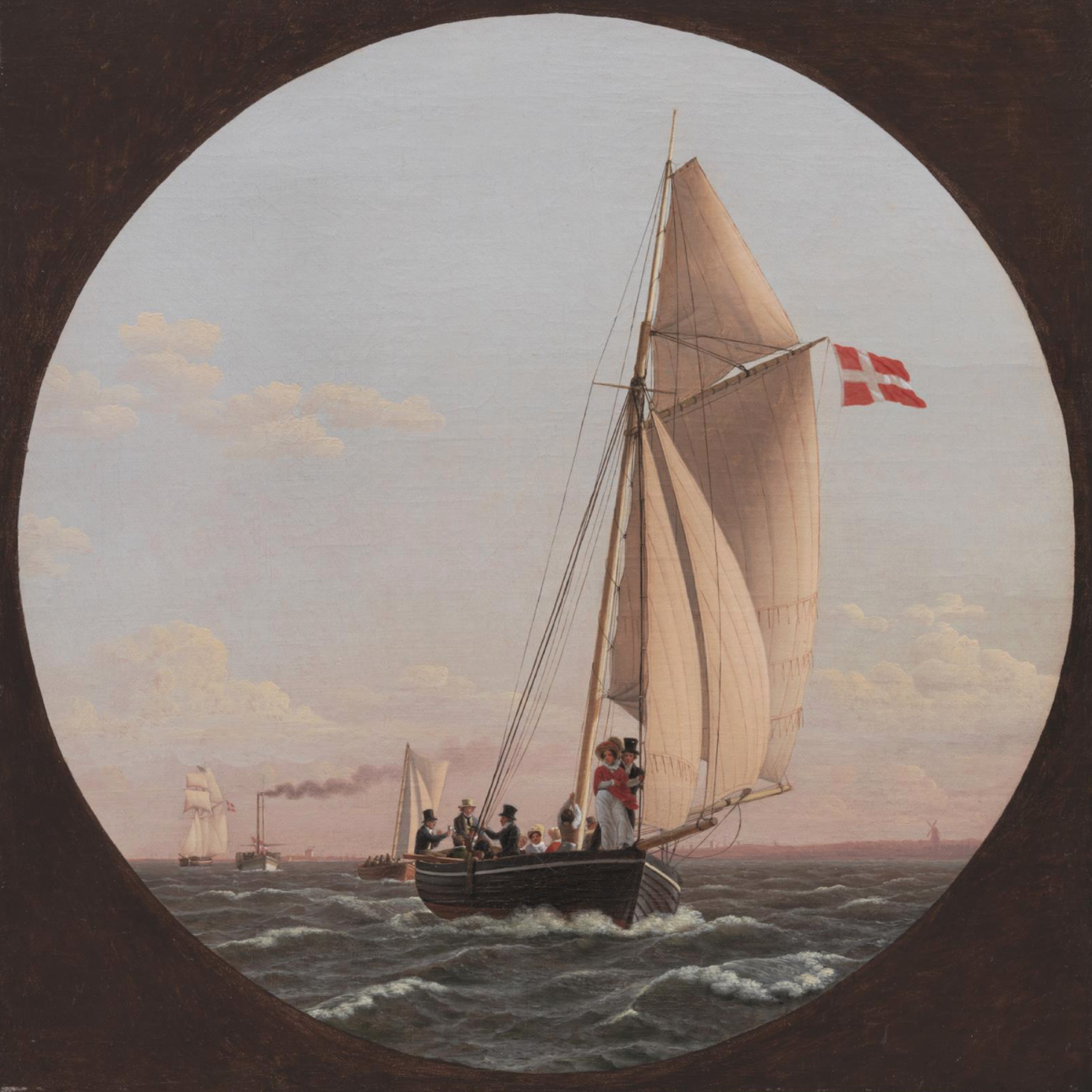
C.W. Eckersberg
Sailing from Copenhagen to Charlottenlund
Oil on canvas
1824
Statens Museum for Kunst, Copenhagen
S11E4.
Rufus Gifford
I chose C.W. Eckersberg's Sailing from Copenhagen to Charlottenlund. It's a nice, beautiful, windy day, the Danish coast in the background, a nice, main sailboat going from Copenhagen up towards Charlottenlund. So the view that I woke up to every morning when I was ambassador, was a view of the Øresund. I looked to my right, I could see Copenhagen. I looked across, I could see Sweden. I looked to my left, I could look up the coast. Although I don't know that I ever actually sailed from Copenhagen to where I lived in Charlottenlund — I tended to be in an armored vehicle surrounded by security guards — as someone who grew up on the sea, who grew up sailing, who grew up on boats, that was such an important part of my time there. Anytime I look out over the sea, I exhale. Even though the elements are hitting you in the face, there's such a peace associated with the sea to me. This painting just summed up everything so beautifully for me, it feels like a homecoming.
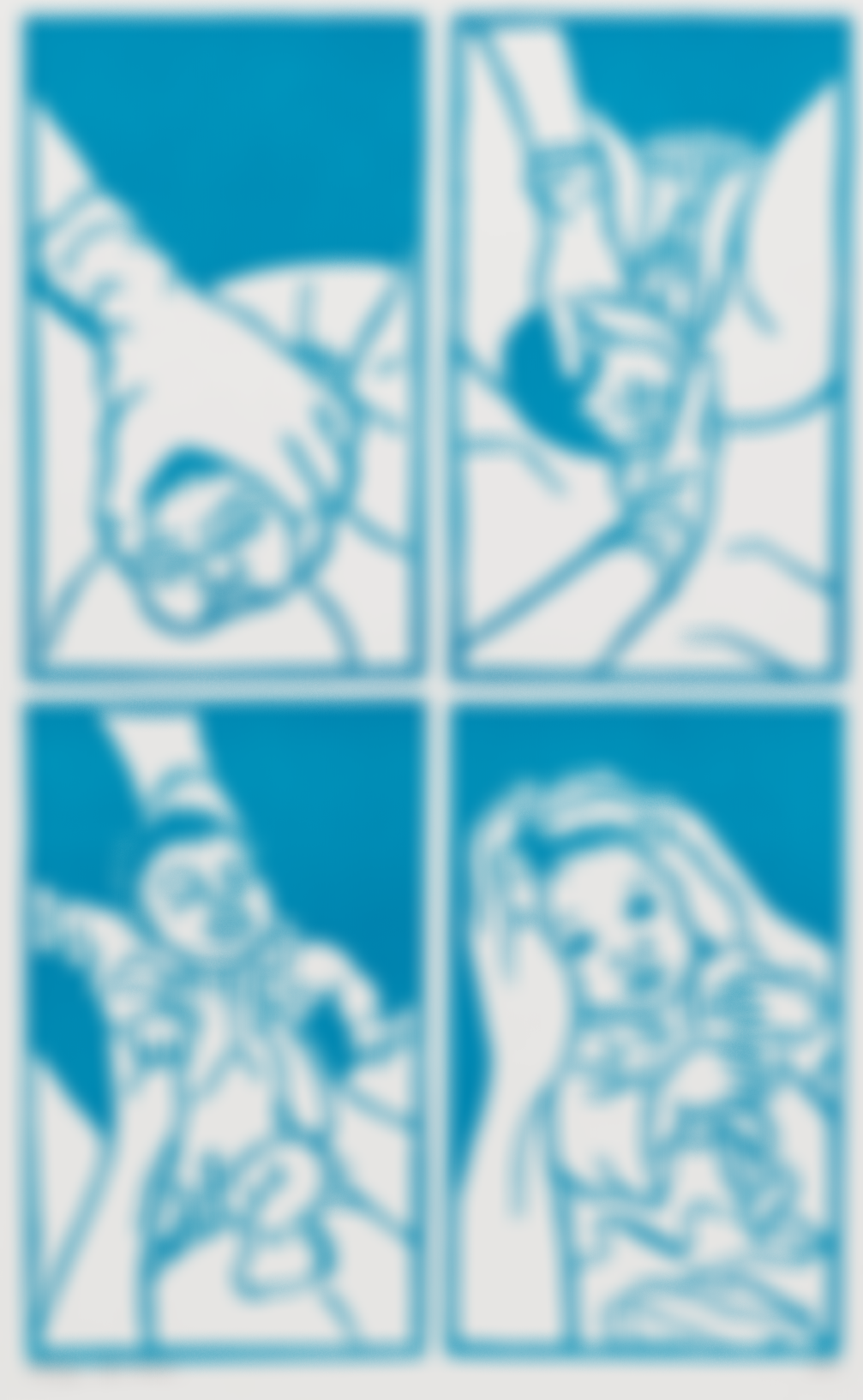
Dea Trier Mørch
Birth
Linocut Print
1978
Statens Museum for Kunst, Copenhagen
© Dea Trier Mørch / VISDA
The rights-restricted image is purposely blurred.
S11E3.
Pernille Ipsen
I chose a series of four blue and white linocuts by the graphic artist and writer Dea Trier Mørch. They're from 1978 and they are showing the progress of a birth. And that's also the title, Birth, or Fødsel in Danish. First you see the crown of the head, then you see the shoulders, and then the whole baby is out. And then finally in the fourth frame, you see a pair of adult hands embracing the newborn child. These prints are filled with energy. She worked with such pace and resolve and authority, and it shows in how the lines are so sharp and so clear. She could only do that because she was so sure of herself. This particular piece of hers where this little baby comes out from the safe but private inner world of the womb and enters the larger social and political world, speaks so powerfully to this moment in the '70s when the personal became political. And her insistence on treating birth as an important event in not just private life but also in society, really speaks to me.
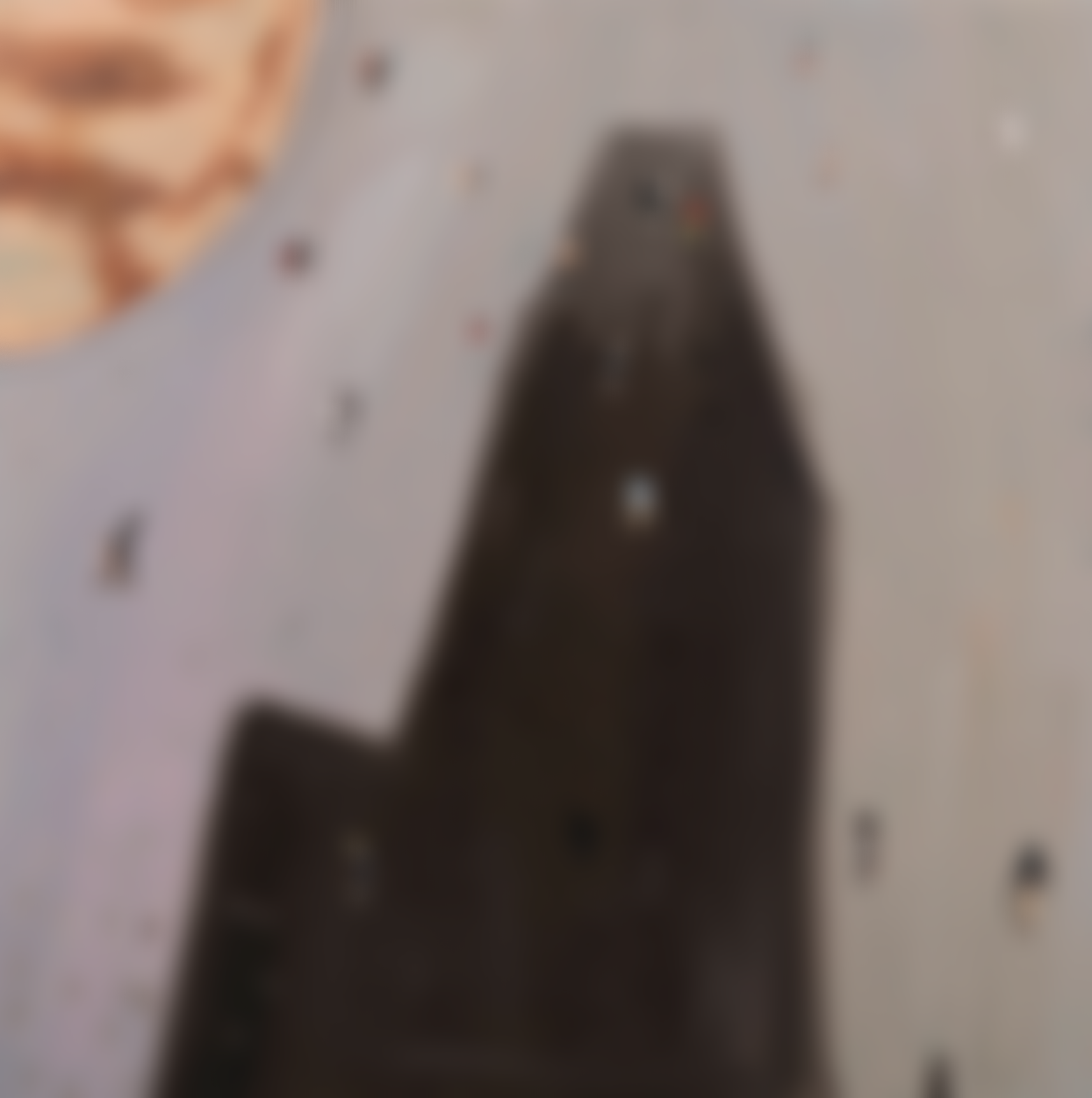
Anna Bjerger
Square
Oil on aluminum
2019
Statens Museum for Kunst, Copenhagen
© Anna Bjerger / VISDA
The rights-restricted image is purposely blurred.
S11E2.
Mette Lampcov
I was recently in Denmark, and the painting that really stood out for me was Anna Bjerger's Square. It seemed like a perfect representation of this moment in time and history. It's this very big, dark, ominous shadow going across a city square in a town. Everybody's walking alone. And that really gives me the feeling of how we are now. We are on our phones, we are on social media. People lack community and connection and people feel isolated. We live in slightly dark times, politically. I think the world is going through a moment, where I'm sure there's positive things happening, maybe somewhere, but we are also going through a time where it's scary. I really felt this painting spoke to me on what's happening today.
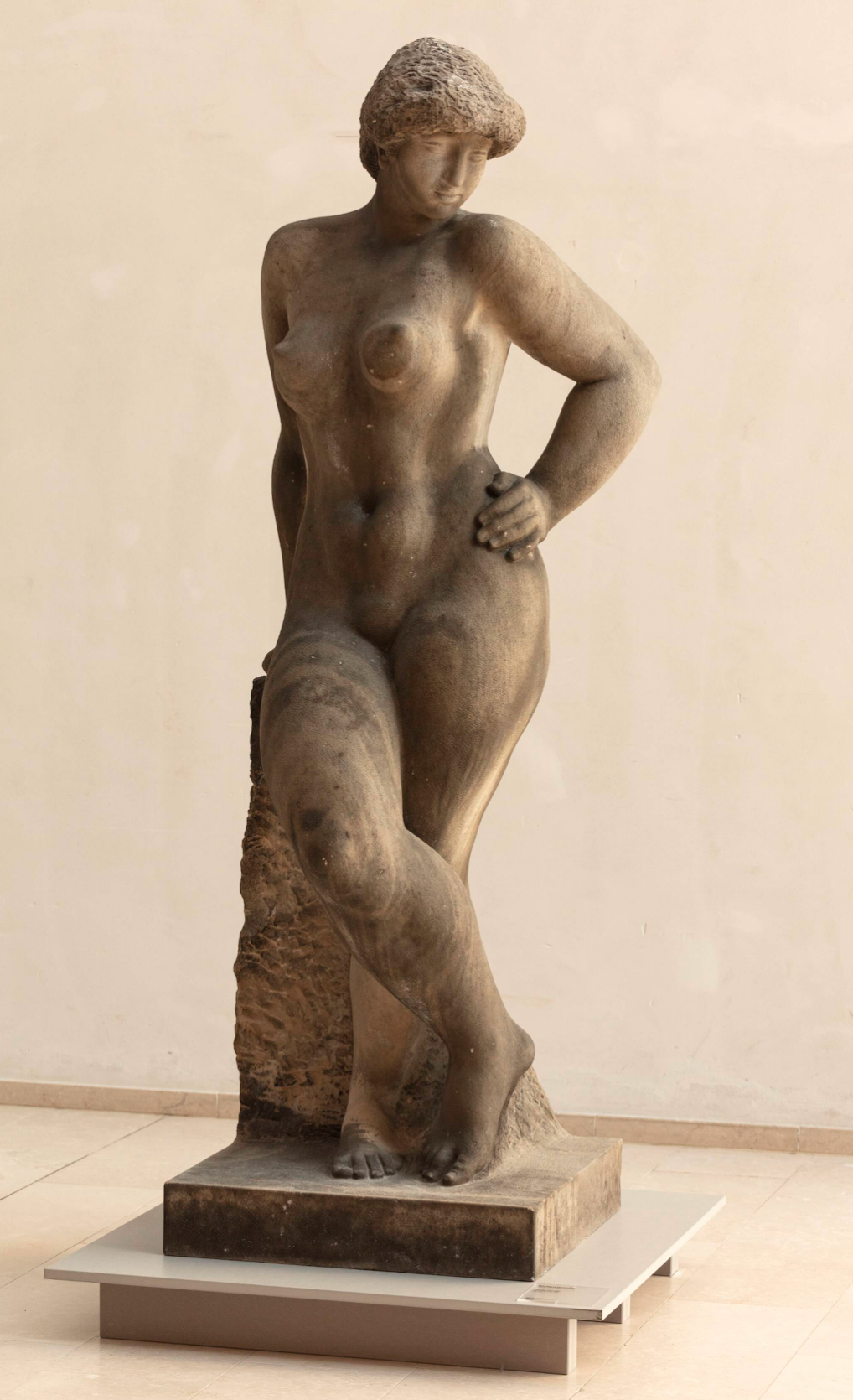
Gerhard Henning
Standing Nude Girl
Stone
1928–1929
Statens Museum for Kunst, Copenhagen
S11E1.
Samuel Rachlin
You have asked me to pick a piece of art from our national gallery, Statens Museum for Kunst. And I didn't have to think very long because I'm biased, since the museum in its art collection has a sculpture by Danish sculptor Gerhard Henning. And the title of the sculpture is Standing Nude Girl. And I have a special personal relationship with that sculpture because I found out, or my mother told me, she was the model for that fantastic sculpture. When I was a young man, she told me the story — she was modeling for it in 1928, she was around 20 years old — and asked me if I wanted to see it. And then she took me to the museum, I saw it, and I was flabbergasted. It's a voluminous, beautiful sculpture. My mother as God created her, and she was a beautiful young woman. We included that story in one of the volumes of my parents' memoir and my mother reluctantly told the true story of how it happened. When my mom showed me the sculpture, which was standing outside the museum in the park, I was stunned. Wow.