
Superflex (1993–).
FOREIGNERS, PLEASE DON'T LEAVE US ALONE WITH THE DANES!
Installation
2002
Statens Museum for Kunst, Copenhagen
© Superflex / VISDA
The rights-restricted image is purposely blurred.
S4E10.
Khurram Jamil
So I chose SUPERFLEX, FOREIGNERS PLEASE DON'T LEAVE US ALONE WITH THE DANES. I believe it's extremely impactful work. The saying "Foreigners Please Don't Leave Us Alone With the Danes" — it's a mix, right? It is provocative. It always gets me to think, what state are we right now in society? It's been there since, I believe, 2002. So the words always get me to reflect. As a son of immigrants, is this still relevant? And the answer for me right now is yes. And maybe one day it's not. But we're not there as a society. Why was this piece part of the collection at that point in time of society, right? It says something about society. And I hope that work will be a historic work, that was important from an art perspective. But for next generations to come, less relevant maybe in 20 years, in 10 years.
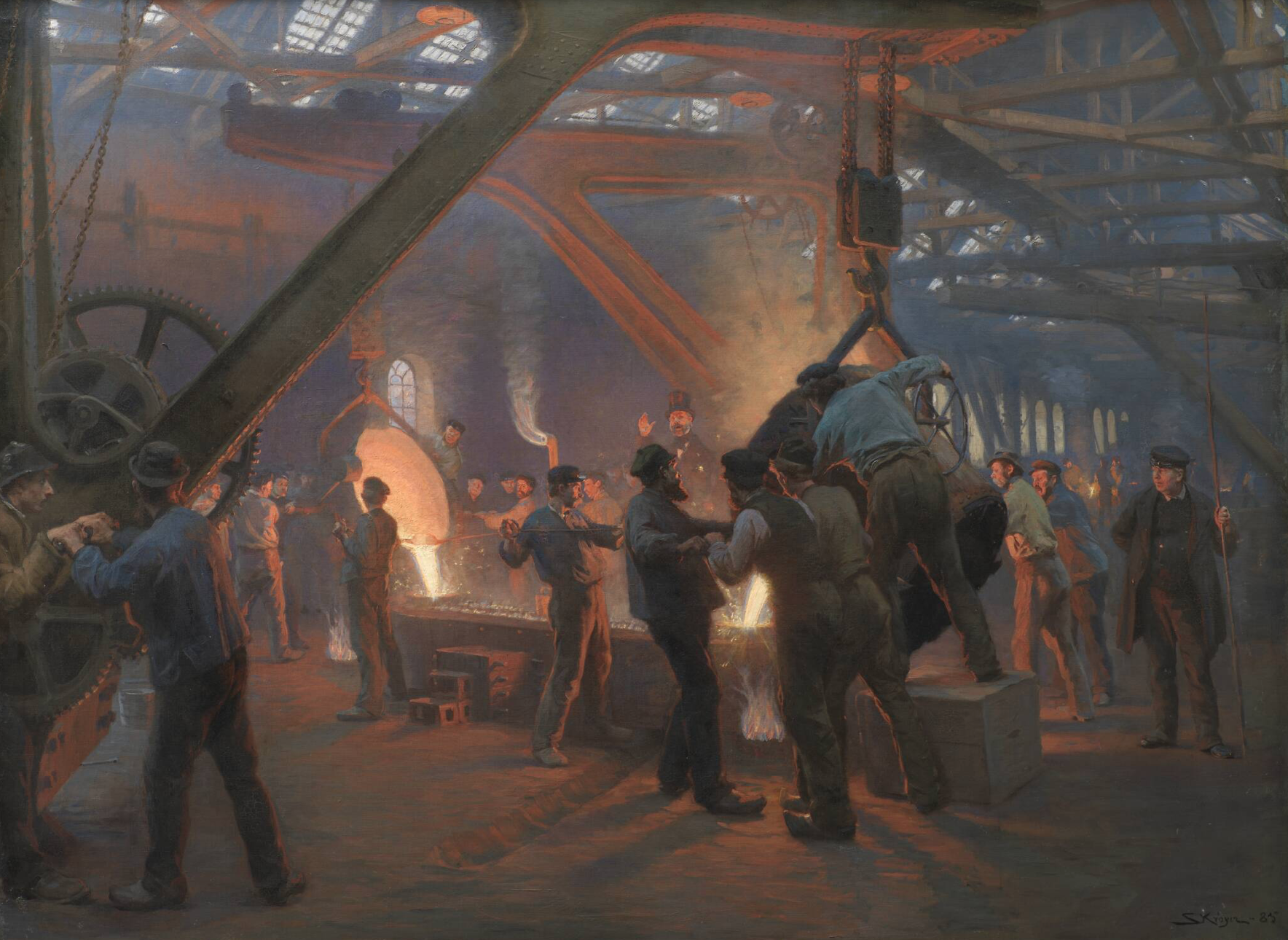
P.S. Krøyer (1851–1909)
The Iron Foundry, Burmeister & Wain
Oil on canvas
1885
Statens Museum for Kunst, Copenhagen
S4E9.
Peder Hansen
I chose the picture by P.S. Krøyer, called Iron Foundry, Burmeister & Wain. It is a darker picture. Back when this picture was painted, it was a big industry in Denmark to build ships and everything for them. And there was an enormous amount of innovation. You can feel what it really took to make these very large vessels back in the day. The kind of teamwork, the kind of buildings where everything had to be done by hand, the ingenuity to make these large propellers or shafts or engine blocks. You could have a job back then as an apprentice. You could then become a master. You could get your own apprentices. You had a job for life. But not just your life. It was everybody that worked with you and under you in that setting. Coming from a blacksmith family, I can appreciate working with the metals in the foundries. You have, in the middle, the molten metal that flows out, and you're creating something that we feel is so rigid, but once it's being created, it's so fluid. I think you can take that with you throughout life.
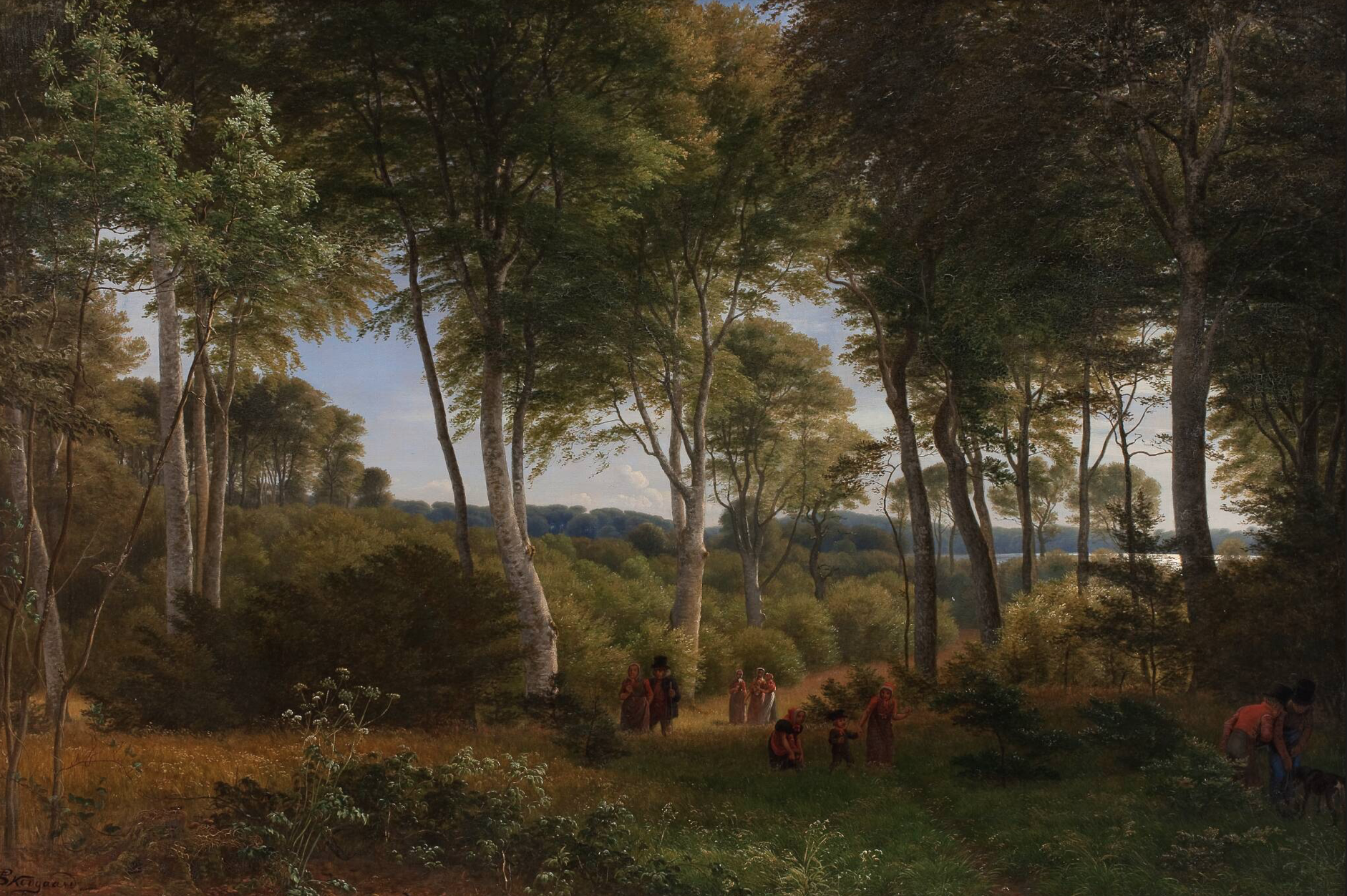
P.C. Skovgaard (1817–1875)
Delhoved Wood near Lake Skarre, Zealand. Afternoon Light
Oil on canvas
1847
Statens Museum for Kunst. Copenhagen
S4E8.
Clara Rugaard
I chose Delhoved Wood near Lake Skarre, Zealand. Afternoon Light by P.C. Skovgaard. We're in a forest and you can just glimpse the top of a body of water in the background and the sun's reflecting the light off of it. And there's a bunch of people. In my mind, they're a family, maybe a couple of families, and there's a dog. They look like they're just having a great time. Maybe they're out foraging, finding something. There's something about the use of color and light that brings me a real sense of comfort. It's capturing the simple life and they're nestled in between these beautiful big trees. It makes me feel really safe, comforted. I recognize this, I recognize this scene. I feel like I've been there before somehow. I'd like to be there.
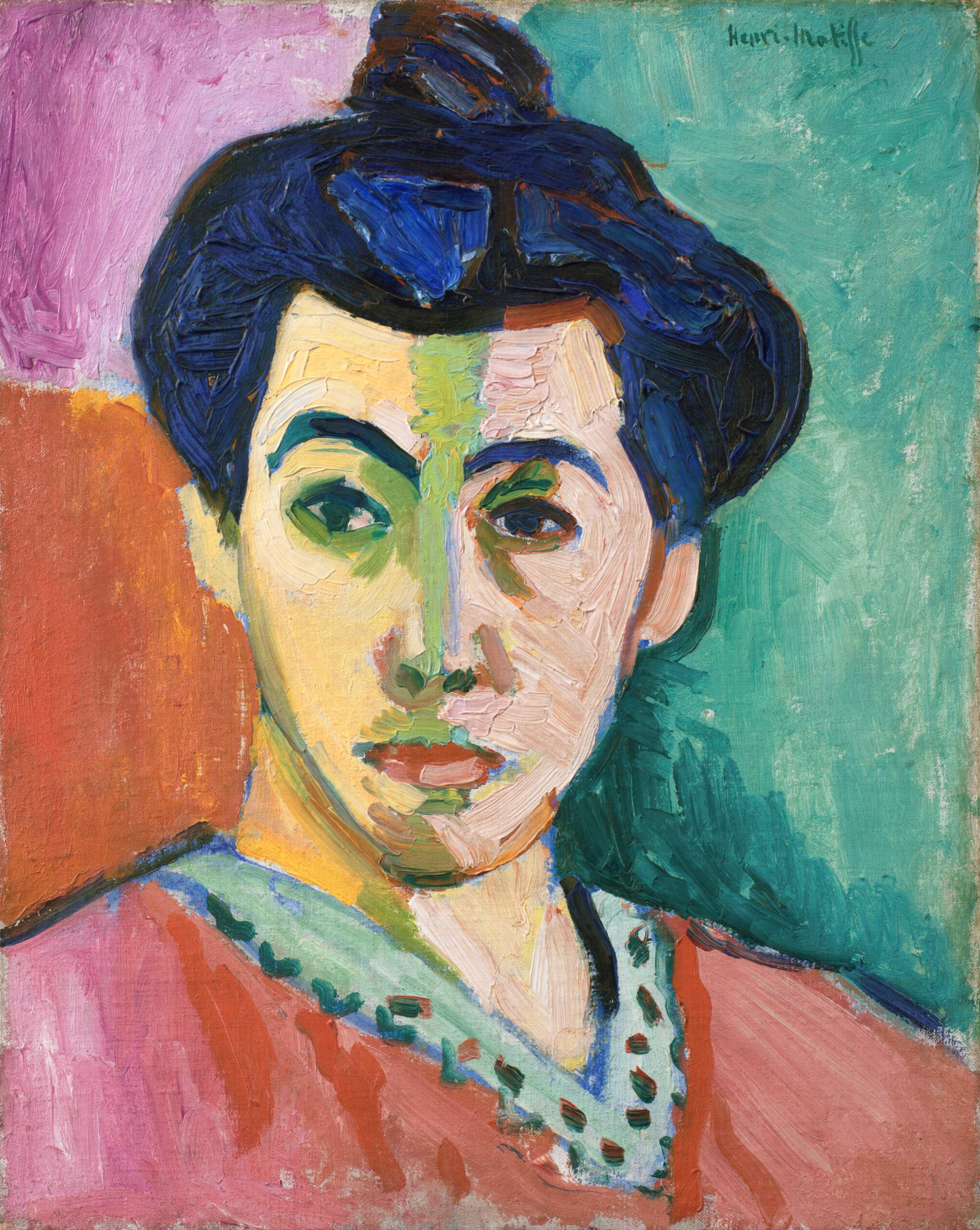
Henri Matisse (1869–1954)
Portrait of Madame Matisse. The Green Line
Oil on canvas
1905
Statens Museum for Kunst, Copenhagen
S4E7.
Jens Faurschou
If I should choose any artwork hanging in Denmark, this would be the work. It's my absolute favorite work. And that is Matisse's portrait of his Madame Matisse, Green Line. When he made that back in 1905, it changed the whole way of making portraits. And I am sure people at that time said, you can't paint like that. It not only changed art history, it's also as a painting, a beautiful painting you never get tired of looking at. It's a completely abstract painting. It's an abstract painting more than it's a portrait. It's fantastic. I can't tell you why it's just so beautiful. What I really like in that painting is the colors. It hits my guts and I'm just saying, wow. And I still say it each time I see it. I got my injection of art for the day, if I see that painting.
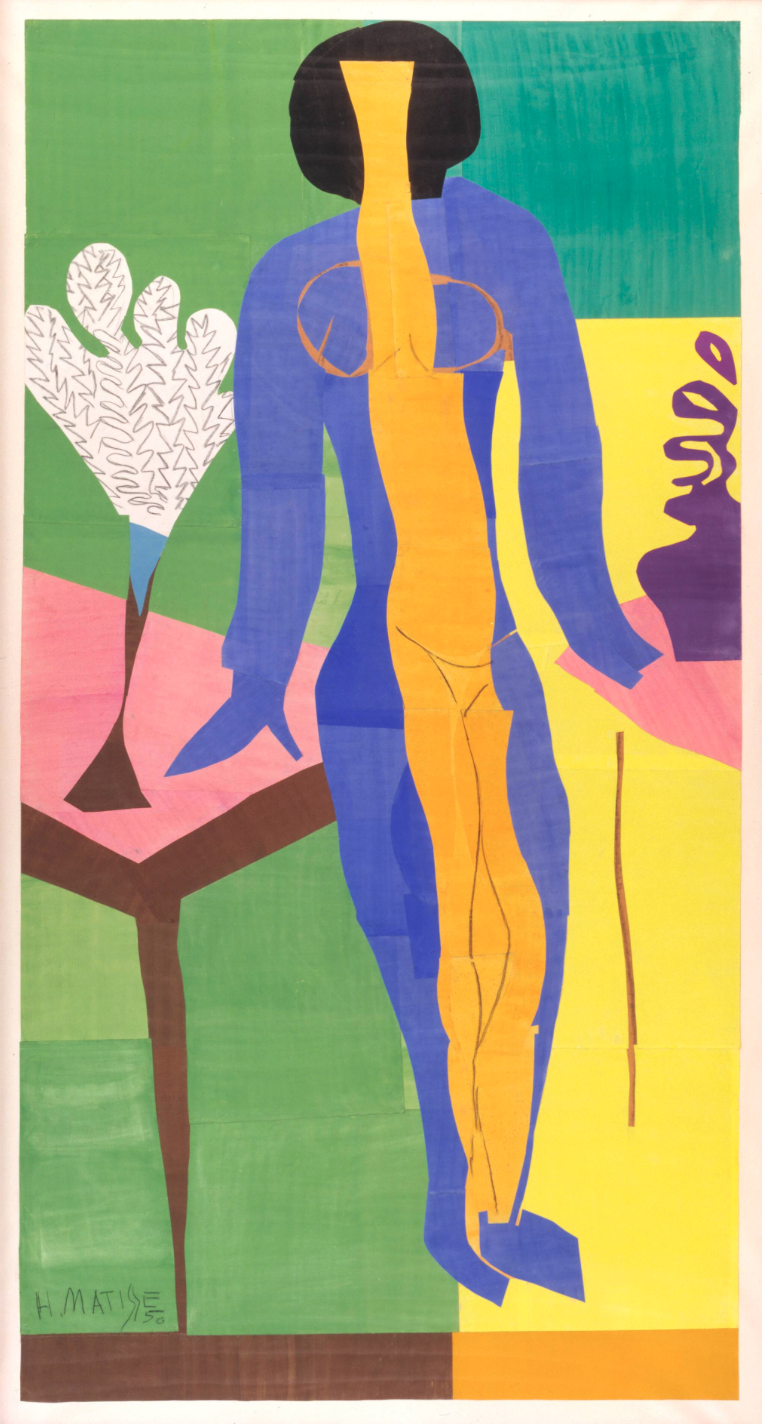
Henri Matisse (1869–1954)
Zulma
Collage
1950
Statens Museum for Kunst, Copenhagen
S4E6.
Trine C. Jensen
I picked a picture by Henri Matisse called Zulma and it is this very colorful picture of a woman standing with her hands resting on two tables. And there's yellow and orange and three different shades of really bright blue and pink and multiple shades of green in it. She has no middle. Then it also looks a little bit like a motion capture suit. The entire middle of her is this orange line. It's like a speed stripe of something that's ready to take off. It is delightful and playful. I imagine that she's standing there, pondering what's going to be her next move. It is a great lens to see women through. It made me very happy that an artist that many years ago could see a woman like that.
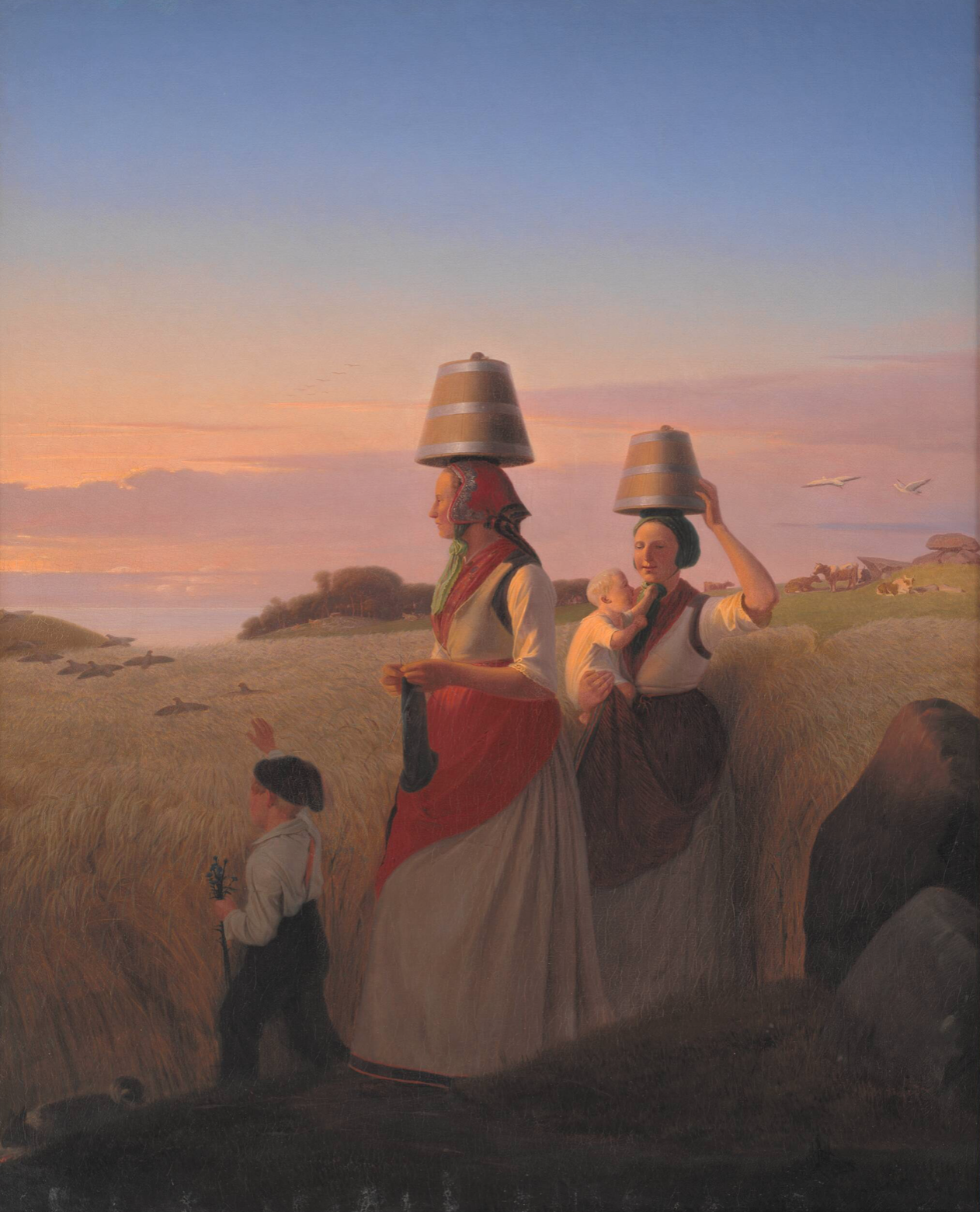
Jørgen V. Sonne (1801–1890)
Rural Scene
Oil on canvas
1848
Statens Museum for Kunst, Copenhagen
S4E5.
Connie Nielsen
I react to a piece of art, physically almost, being in front of it. The thing that speaks to you is not necessarily something that you're conscious of. I'm conscious of the fact that I have an almost physical relaxation because something is speaking to me. And I feel a kind of relief. And I think that's the same thing that people feel when they watch a movie that is speaking to them. There is a relief in feeling seen. You're speaking to something that's keeping me up at night. You're speaking to something that's disturbing my peace, the peace in my heart. And thank you for not letting me be alone with this thought or this problem. And I think that's what it's like, even in a completely abstract piece. There is something in there, that attention in shape or in colors, between colors, or of light and shadow, of structure. Oftentimes, I would prefer not to try to analyze why, but to allow myself to be swept into that experience.
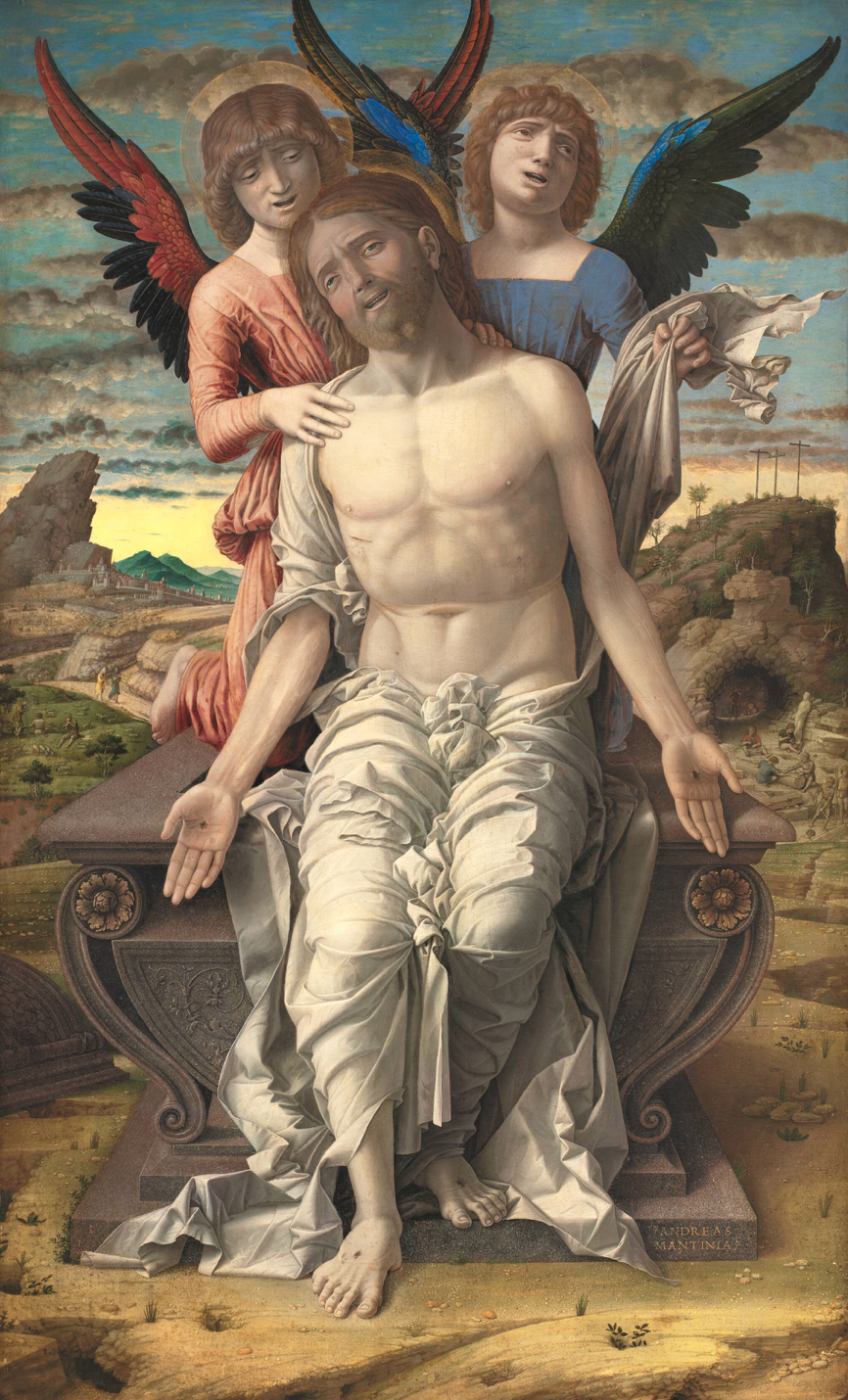
Andrea Mantegna (1429–1506)
Christ as the Suffering Redeemer
Tempera on panel
1485–1495
Statens Museum for Kunst, Copenhagen
S4E4.
Nicolai Wallner
I chose a painting of Andrea Mantegna, who is an artist from the Italian Renaissance called Christ as the Suffering Redeemer. It shows Christ sitting on a stone chair with two angels behind him. He has just exited the grotto where the disciples put him after he was taken down from the crucifix. He's showing his stigma, and the angels are destroyed. It's a very emotional painting about sorrow and loss of life and pain. If you look in the background, you see people very far away in the landscape. You see them work, you see a person sitting on a lawn with a flute. As much as pain and suffering can be present, life goes on. It's about Christ, of course, but also about life on Earth. It was an Italian art collector that I met many years ago who told me to go and see that painting. So every time I go into the museum, I go and see that. It's exceptional.
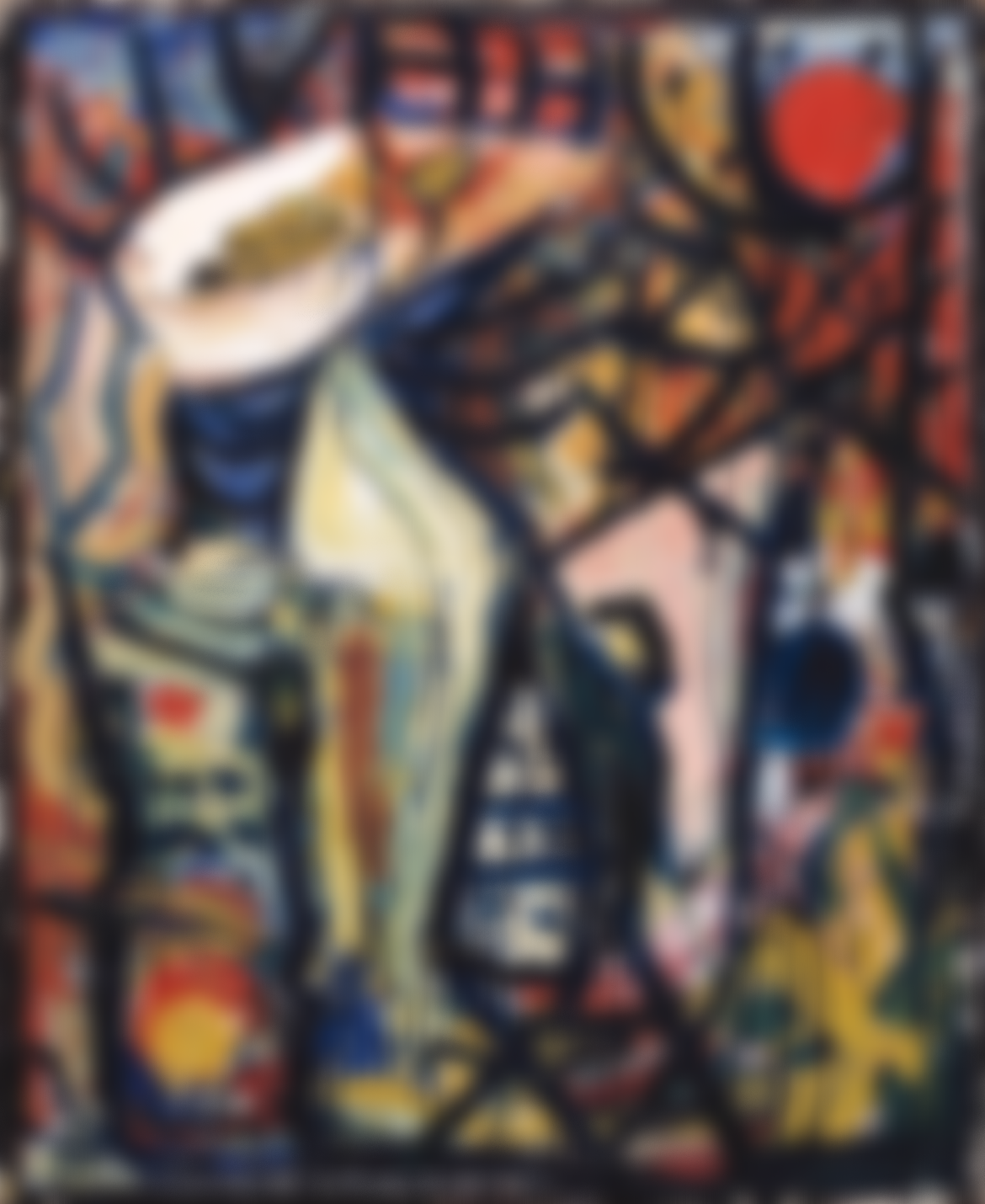
Egill Jacobsen (1910–1998)
Accumulation
Oil on canvas
1938
Statens Museum for Kunst, Copenhagen
© Egill Jacobsen / VISDA
The rights-restricted image is purposely blurred.
S4E3.
Rachelle Keck
I chose the painting entitled Accumulation, 1938, by Egill Jacobsen. The emotion that it evoked in me, I did not know what it was about. The bold colors, the integration of the thick black lines, or perhaps they’re navy blue, there's a little bit of both. It just struck me. The title, Accumulation, I initially thought, was a commentary on our inclination as human beings to accumulate things, relationships, achievements, accolades, possessions. It was really a commentary on Nazi Germany. And I had no idea. And that's one of the beautiful things about art. It's very personal to not only the artist, but also to the viewer, and they may not see and feel the same things.
Pia Arke (1958–2007)
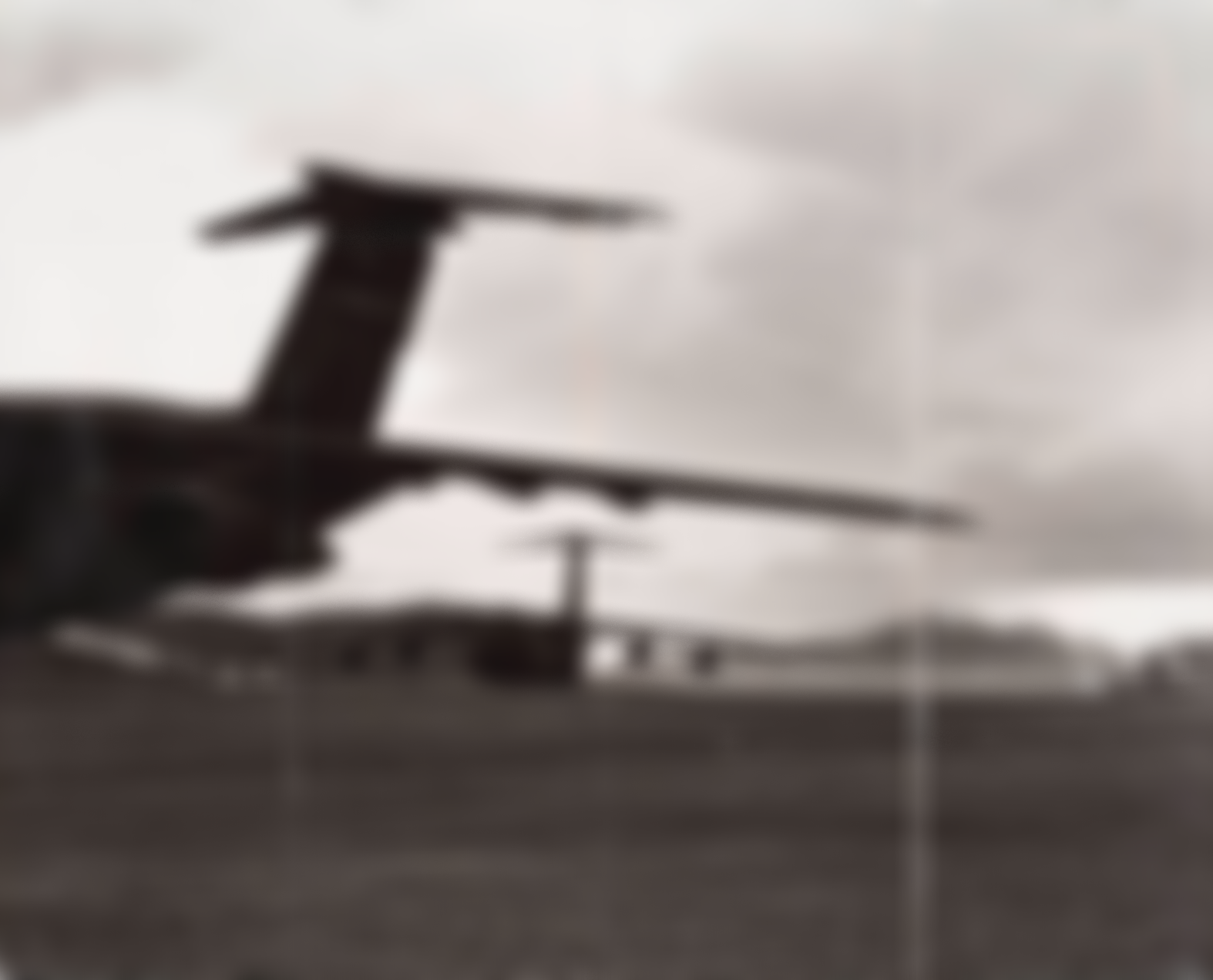
Untitled (Thule Air Base)
Photograph
1992–1993; 2003
Statens Museum for Kunst, Copenhagen
© Pia Arke / VISDA
The rights-restricted image is purposely blurred.
S4E2.
Kristian Riis
This untitled photo by Pia Arke from '92. It's the Thule Air Base. You see these two planes on the landing strip. It reminds me about my own time in Greenland when I performed there with Nephew. I really fell in love with that country. There's a lot of feelings around it. I think what we did through the years for the Greenlandish people has not been the best for them. And I found when I was in Greenland, you can see that the ice is melting, that it's getting warmer. Pia Arke, she was a little bit torn about being half Danish, half Greenlandish, maybe not really belonging somewhere, but still feeling that you belong in both places, so to speak. I have a Danish dad and a Danish mom and I grew up in Denmark, but I have always been longing for something out there. And Los Angeles gave me something different. That's something Bhutan is giving me today. For me, a photo like this tells me much more than a thousand words.
Asger Jorn (1914–1973)
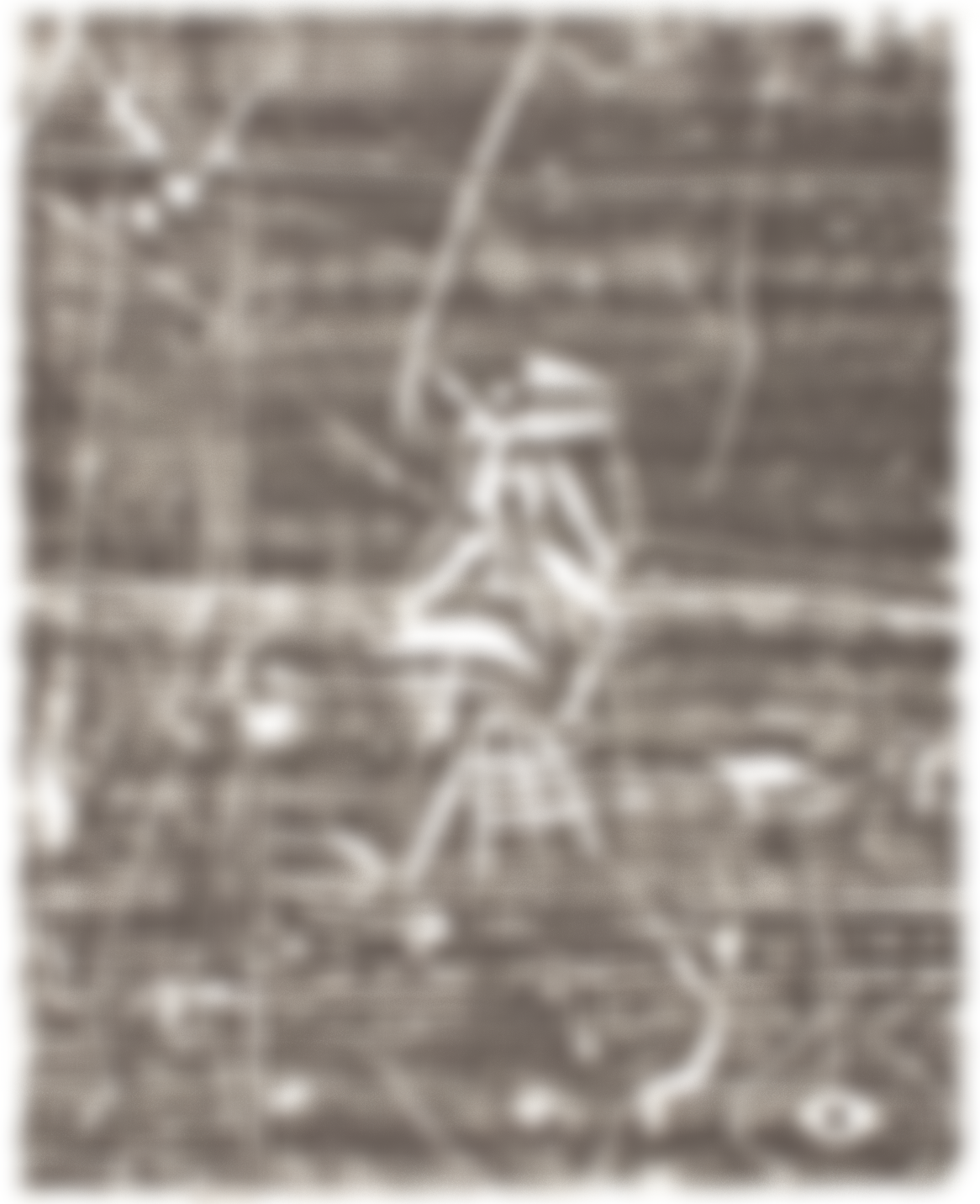
Cuts in tabletop
Woodcut
1967
Statens Museum for Kunst, Copenhagen
© Donation Jorn, Silkeborg/ VISDA
The rights-restricted image is purposely blurred.
S4E1.
Carsten “Soulshock” Schack
I picked this picture by Asger Jorn, called Coupures de table. It's very simple, and as soon as I saw it, it spoke to me. And I think I relate a little bit to art that has some moodiness in it. And maybe what I've been through in my life, sometimes the colors can represent a certain happiness, I feel. When you have more subdued artwork like this, with less colors and more abstract, I feel there's a little bit of pain, and I feel there's a little bit of extra thoughts and moments in your life where you reflect. I can't explain why that's what I get out of this, but that's what I get out of it. It reminds me of myself closing my eyes before going to sleep. It's underplayed, minimalistic. I absolutely fell in love with this.